2026 Gold & Silver Market: Hedging Against Uncertainty with 10% Upside
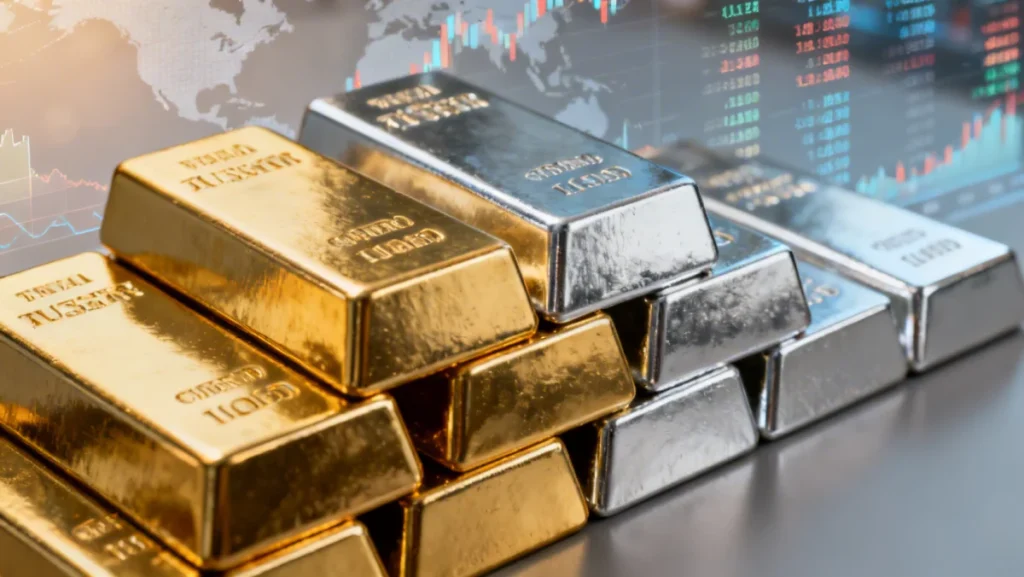
The 2026 gold and silver market presents a compelling hedging strategy against economic uncertainty, potentially offering investors a 10% upside through their intrinsic value and historical performance during volatile periods.
As we navigate the complexities of the mid-2020s, understanding the role of precious metals in a diversified portfolio becomes increasingly vital. The 2026 Gold and Silver Market: A Hedging Strategy Against Economic Uncertainty with a 10% Potential Upside offers a unique perspective on how these timeless assets can safeguard wealth and even generate significant returns amidst unpredictable financial landscapes.
The Enduring Appeal of Gold and Silver in 2026
Gold and silver have captivated humanity for millennia, not just for their aesthetic beauty but for their intrinsic value as stores of wealth. In 2026, their appeal as safe-haven assets remains as strong as ever, if not stronger, given the persistent global economic uncertainties. Investors worldwide are continually seeking reliable hedges against inflation, currency devaluation, and geopolitical instability, making precious metals a cornerstone of prudent financial planning.
The current economic climate, characterized by fluctuating interest rates, supply chain disruptions, and geopolitical tensions, creates a fertile ground for gold and silver to shine. These metals historically perform well during periods of market Volatility, offering a tangible alternative to more volatile assets like stocks and bonds. Their universal acceptance and liquidity further enhance their role as critical components of a resilient investment strategy.
Historical Performance During Economic Downturns
Examining past economic crises reveals a consistent pattern: gold and silver often appreciate when traditional markets falter. This inverse correlation makes them invaluable for portfolio diversification.
- 2008 Financial Crisis: Gold prices surged as investors fled riskier assets.
- COVID-19 Pandemic: Both gold and silver experienced significant rallies amidst unprecedented uncertainty.
- Inflationary Periods: Precious metals traditionally act as a hedge against rising prices, preserving purchasing power.
The sustained demand from central banks and institutional investors, coupled with retail interest, underscores their continued relevance. As we look towards 2026, these historical trends provide a strong foundation for their potential performance.
In conclusion, the enduring appeal of gold and silver in 2026 stems from their proven track record as safe havens and their ability to act as a counterbalance to economic instability. Their role in protecting wealth is a key driver for investors seeking stability in tumultuous times.
Navigating Economic Uncertainty with Precious Metals
Economic uncertainty is a constant in the global financial landscape, and 2026 is unlikely to be an exception. Factors such as evolving monetary policies, geopolitical conflicts, and technological disruptions can introduce significant volatility. In such an environment, precious metals, particularly gold and silver, offer a tangible and time-tested method for navigating these choppy waters, providing a sense of security that paper assets often cannot.
The resilience of gold and silver lies in their fundamental characteristics: they are finite resources, universally recognized, and not subject to the same counterparty risks as traditional financial instruments. This makes them an attractive option when confidence in fiat currencies or government bonds wanes. Understanding these dynamics is crucial for investors aiming to protect and grow their capital.
Key Economic Indicators to Monitor
Successfully using gold and silver as a hedge requires a keen eye on various economic indicators that influence their prices. These indicators provide insights into the broader economic health and potential future trends.
- Inflation Rates: High inflation often boosts demand for gold as a store of value.
- Interest Rates: Rising real interest rates can make non-yielding assets like gold less attractive, though this relationship can be complex.
- Geopolitical Tensions: Escalating global conflicts or political instability typically drive investors to safe-haven assets.
- Currency Strength: A weakening U.S. dollar often makes gold more appealing to international buyers.
By closely monitoring these factors, investors can make more informed decisions about when and how to allocate their capital to precious metals. The ability to react strategically to economic shifts is a hallmark of successful hedging.
Ultimately, gold and silver serve as crucial tools for investors seeking to mitigate risks associated with economic uncertainty. Their historical performance and intrinsic qualities position them as reliable assets during periods of market turmoil, offering a stable foundation for any investment portfolio.
The 10% Potential Upside: A Realistic Outlook for 2026
While gold and silver are renowned for their stability and hedging capabilities, their potential for capital appreciation, specifically a 10% upside in 2026, is a compelling factor for investors. This growth projection isn’t merely speculative; it’s rooted in a confluence of market dynamics, supply-demand fundamentals, and the evolving macroeconomic environment. Understanding the drivers behind this potential upside is key to leveraging precious metals effectively.
Several factors contribute to this optimistic outlook. Continued demand from emerging markets, coupled with constrained supply from mining operations, creates a favorable market imbalance. Furthermore, the persistent inflationary pressures and the ongoing search for yield in a low-interest-rate environment are likely to push more capital towards tangible assets. These elements, combined, paint a picture of a robust market for gold and silver in the coming year.
Factors Driving Potential Growth
The anticipated 10% upside for gold and silver in 2026 is supported by several identifiable market forces. These drivers are critical for understanding the mechanics of their potential appreciation.
- Increased Industrial Demand for Silver: Silver’s role in green technologies (solar panels, EVs) is rapidly expanding.
- Central Bank Accumulation: Central banks continue to diversify reserves away from fiat currencies.
- Retail Investor Interest: Growing awareness of inflation and economic instability drives individual investment.
- Mining Supply Constraints: Depleting reserves and higher extraction costs limit new supply.
These factors collectively create a strong bullish case for precious metals. The interaction of these supply and demand dynamics, alongside broader economic trends, forms the basis for the projected 10% upside. Investors should consider these drivers when evaluating their portfolio allocations.
In summary, the 10% potential upside for gold and silver in 2026 is a realistic projection, driven by a combination of fundamental market forces and macroeconomic trends. This potential growth, coupled with their traditional role as hedges, makes them an attractive proposition for forward-thinking investors.
Integrating Gold and Silver into Your Portfolio Strategy
Integrating gold and silver into a comprehensive investment portfolio requires more than simply buying bullion. It involves a strategic approach that considers individual financial goals, risk tolerance, and the broader market outlook. These metals are not just commodities; they are strategic assets that can enhance portfolio resilience, reduce overall volatility, and provide a safeguard against unforeseen economic shocks. A well-thought-out allocation strategy is paramount to maximizing their benefits.
Diversification is a cornerstone of sound investment, and precious metals offer a unique way to achieve it. They often move independently of stocks and bonds, providing a non-correlated asset class that can smooth out portfolio returns during turbulent periods. The key is to determine the appropriate percentage of your portfolio to allocate, which can vary based on individual circumstances and market conditions.
Diverse Investment Avenues for Precious Metals
There are multiple ways to gain exposure to gold and silver, each with its own advantages and considerations. Choosing the right avenue depends on your investment objectives and preferences.
- Physical Bullion: Direct ownership of coins or bars provides ultimate security and tangibility.
- Exchange-Traded Funds (ETFs): Offer easy access to precious metals prices without physical storage concerns.
- Mining Stocks: Investing in companies that extract gold and silver can provide leverage to price movements, though with higher risk.
- Futures Contracts: For experienced investors, futures allow for speculation on price movements.
Each option carries different levels of risk and reward, as well as varying degrees of liquidity and cost. It’s essential to research and understand these differences before committing capital. A balanced approach often involves a combination of these methods.
In conclusion, integrating gold and silver into a portfolio strategy is a sophisticated process that goes beyond simple acquisition. By carefully considering investment avenues and personal financial goals, investors can effectively harness the protective and growth-oriented qualities of precious metals.
Understanding Market Dynamics and Future Trends
The gold and silver markets are not static; they are dynamic ecosystems influenced by a multitude of global factors. To effectively utilize these precious metals as a hedging strategy and capitalize on potential upsides in 2026, it’s crucial to understand the underlying market dynamics and anticipate future trends. This involves looking beyond immediate price movements to the broader economic, geopolitical, and technological shifts that shape their value.
Future trends suggest continued evolution in how gold and silver are perceived and utilized. The rise of digital currencies, for example, presents both challenges and opportunities, influencing their role as alternative stores of value. Similarly, advancements in industrial applications for silver could significantly alter its demand profile. Staying informed about these macro trends is vital for making sound investment decisions.
Technological Innovations and Demand
Technological advancements are playing an increasingly significant role in shaping the demand for precious metals, particularly silver. Its unique properties make it indispensable in various high-tech applications.
- Renewable Energy: Silver is a critical component in solar panels, driving demand in the green energy sector.
- Electric Vehicles (EVs): The growing EV market relies on silver for electrical contacts and conductive pastes.
- 5G Technology: Silver’s superior conductivity makes it essential for next-generation telecommunications infrastructure.
These industrial applications create a strong baseline demand for silver, making it less solely reliant on investment demand. For gold, its role in electronics and medical devices, though smaller, also contributes to its overall market stability. Monitoring these technological shifts is key to anticipating future demand patterns.
Understanding the intricate market dynamics and future trends, particularly the impact of technological innovations, is paramount for investors in precious metals. This foresight allows for more informed decisions, enabling investors to better position themselves for both hedging and potential growth in 2026.
Risk Management and Long-Term Perspective
While the 2026 gold and silver market offers compelling opportunities for hedging against economic uncertainty and potential upside, it is imperative to approach these investments with a robust risk management framework and a long-term perspective. No investment is without risk, and precious metals are no exception. Understanding these risks and planning for the long haul are critical components of a successful strategy, ensuring that gold and silver effectively serve their intended purpose within your portfolio.
A long-term perspective helps investors weather short-term market fluctuations and avoid impulsive decisions driven by fear or greed. Gold and silver have historically proven their value over decades, not just months or quarters. By focusing on their role as generational wealth preservers and inflation hedges, investors can leverage their stability more effectively. This patient approach is often rewarded with sustained value appreciation and enhanced portfolio resilience.
Mitigating Risks in Precious Metal Investments
Effective risk management involves identifying potential pitfalls and implementing strategies to minimize their impact. For precious metals, several risk factors need consideration.
- Price Volatility: While generally stable, precious metals can experience short-term price swings.
- Storage and Security: Physical bullion requires secure storage, incurring costs and potential risks.
- Counterparty Risk (ETFs/Mining Stocks): Investing in derivatives or company shares introduces additional layers of risk.
- Market Manipulation: Although rare, large-scale trading can temporarily influence prices.
Diversifying across different forms of precious metal investments (e.g., a mix of physical and ETFs) can help mitigate some of these risks. Regular portfolio reviews and staying informed about market conditions are also essential. The goal is to build a resilient allocation that can withstand various market pressures.
In conclusion, a successful precious metals strategy for 2026 and beyond hinges on a clear understanding of risk management and the adoption of a long-term perspective. This balanced approach ensures that gold and silver truly act as pillars of stability and growth within an investor’s portfolio.
| Key Point | Brief Description |
|---|---|
| Hedging Against Uncertainty | Gold and silver historically perform well during economic instability and inflation, acting as reliable safe havens. |
| 10% Potential Upside | Market dynamics, industrial demand for silver, and central bank accumulation suggest significant growth potential in 2026. |
| Portfolio Diversification | Precious metals offer non-correlated asset class benefits, reducing overall portfolio volatility and enhancing resilience. |
| Risk Management | Essential for precious metal investments, involving careful consideration of volatility, storage, and investment avenues. |
Frequently Asked Questions About 2026 Gold and Silver Market
Gold and silver are seen as reliable hedges because they tend to maintain or increase their value during periods of high inflation, currency devaluation, and geopolitical instability. Their intrinsic value and limited supply make them attractive safe-haven assets when traditional markets are volatile.
Several factors could contribute, including continued global economic uncertainty, increased industrial demand for silver in green technologies, ongoing central bank gold accumulation, and persistent inflationary pressures. These elements collectively create a favorable environment for price appreciation.
You can integrate precious metals through various avenues: buying physical bullion (coins or bars), investing in Exchange-Traded Funds (ETFs) that track gold and silver prices, or purchasing shares in mining companies. The best approach depends on your risk tolerance and investment goals.
Yes, risks include price volatility, storage and security costs for physical assets, and counterparty risks associated with ETFs or mining stocks. Market sentiment and global economic shifts can also influence prices, requiring careful monitoring and a long-term perspective.
Industrial demand is crucial for silver. Its use in rapidly expanding sectors like solar panels, electric vehicles, and 5G technology provides a strong fundamental demand floor. This industrial application diversifies silver’s value drivers beyond just investment demand, enhancing its appeal.
Conclusion
The 2026 gold and silver market presents a compelling narrative for investors seeking both stability and growth. As a robust hedging strategy against persistent economic uncertainty, these precious metals offer a tangible safeguard for wealth. The potential for a 10% upside, driven by a confluence of market dynamics, industrial demand, and central bank activity, further solidifies their position as valuable assets in a diversified portfolio. By understanding the market forces at play, carefully integrating these metals into a strategic plan, and maintaining a long-term perspective, investors can effectively leverage gold and silver to navigate future financial landscapes with greater confidence and resilience.