Fed Projections 2026: 2.5% GDP Growth & Financial Impact
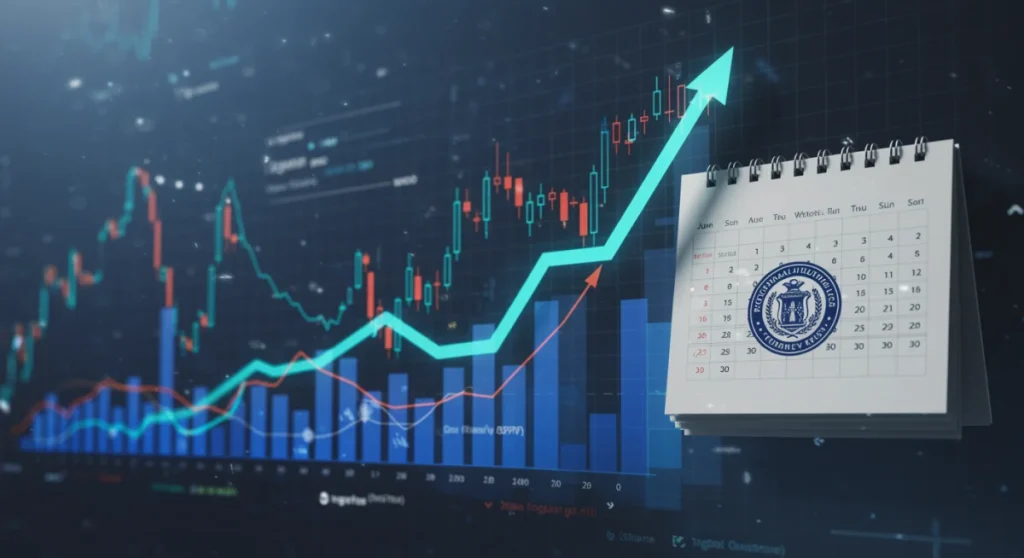
The Federal Reserve’s 2026 projections indicate a robust 2.5% GDP growth, reflecting a stable economic outlook and influencing financial markets, monetary policy, and investment strategies across the United States.
The latest Federal Reserve Projections 2026 have ignited significant discussion, painting a picture of steady economic expansion with a projected 2.5% GDP growth. This outlook provides crucial insights for businesses, investors, and everyday Americans navigating the evolving financial landscape. Understanding these recent updates and their potential financial impact is paramount for informed decision-making in the coming years.
Understanding the Federal Reserve’s Role and Projections
The Federal Reserve, often referred to as the Fed, stands as the central banking system of the United States. Its primary responsibilities include conducting monetary policy, supervising and regulating banking institutions, maintaining the stability of the financial system, and providing financial services to depository institutions and the U.S. government. These functions are critical for fostering maximum employment, stable prices, and moderate long-term interest rates.
Each quarter, the Federal Open Market Committee (FOMC) releases its Summary of Economic Projections (SEP), offering a detailed look into the economic forecasts of individual FOMC participants. These projections cover key economic indicators such as GDP growth, inflation, unemployment rates, and the federal funds rate. They serve as a vital guide for market participants and policymakers, outlining the Fed’s expectations for the economy’s trajectory and the potential responses in monetary policy.
The Significance of the 2026 Outlook
The 2026 projection of 2.5% GDP growth is particularly noteworthy. It suggests a sustained period of economic expansion following the adjustments and challenges of the preceding years. Such a growth rate, if realized, indicates a healthy and resilient economy, capable of generating employment and fostering innovation. This forward-looking perspective allows businesses to plan investments, and individuals to make long-term financial decisions with greater confidence.
- Policy Guidance: The projections offer clarity on the Fed’s likely monetary policy stance.
- Market Expectations: They shape market expectations for interest rates and asset prices.
- Business Strategy: Companies use these forecasts to guide expansion and hiring plans.
- Consumer Confidence: A positive outlook can boost consumer spending and investment.
In essence, the Federal Reserve’s projections are far more than mere numbers; they are a cornerstone of economic stability and a powerful tool for shaping future financial behaviors. The 2026 outlook provides a beacon for a robust and growing economy, setting the stage for strategic planning across all sectors.
Key Drivers Behind the 2.5% GDP Growth Projection
Achieving a 2.5% GDP growth rate by 2026 is not an arbitrary figure; it is underpinned by a confluence of economic factors and policy assumptions. The Federal Reserve’s economists meticulously analyze various indicators to arrive at these forecasts, considering both domestic strengths and global influences. Understanding these drivers is essential for appreciating the robustness of the projected growth.
Technological Advancements and Productivity
A significant contributing factor is the continued surge in technological innovation. Investments in artificial intelligence, automation, and digital infrastructure are expected to enhance productivity across industries. This increase in efficiency allows businesses to produce more goods and services with the same or fewer inputs, directly contributing to GDP growth. The rapid adoption of new technologies is transforming various sectors, from manufacturing to services, creating new markets and opportunities.
- AI Integration: Widespread adoption of AI in business operations.
- Automation: Increased automation in manufacturing and logistics.
- Digital Transformation: Enhanced digital capabilities across all sectors.
Resilient Consumer Spending and Labor Market
The American consumer remains a powerful engine of the economy. The Fed anticipates continued strength in consumer spending, supported by a healthy labor market. While unemployment rates may fluctuate, the overall trend is expected to maintain near-full employment, leading to steady wage growth. This sustained purchasing power is critical for driving demand and stimulating economic activity. Furthermore, demographic shifts and evolving consumer preferences are creating new demand patterns that businesses are adapting to meet.
Government policies also play a role, with fiscal measures potentially supporting certain industries or providing relief to households, further bolstering spending capacity. The federal funds rate, as managed by the Fed, will also be a critical component in balancing inflation with growth, ensuring that borrowing costs remain conducive to investment and consumption.
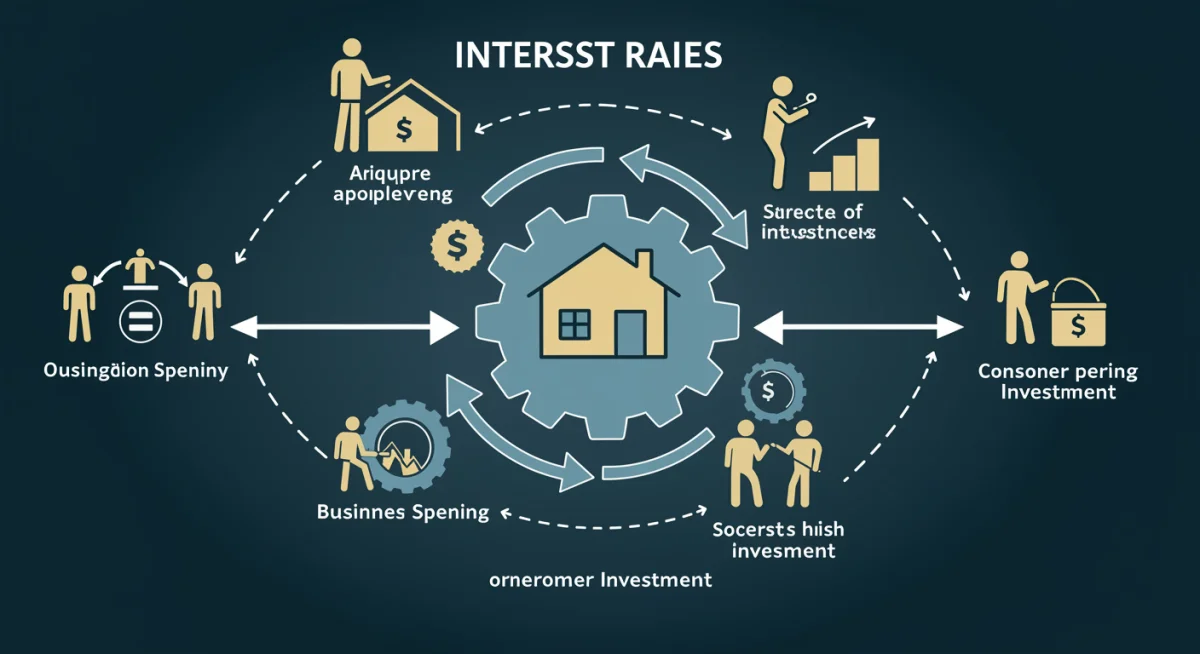
Overall, the projected 2.5% GDP growth for 2026 is a testament to the anticipated synergy between technological progress, a strong consumer base, and strategic monetary and fiscal policies designed to foster a stable and expanding economic environment.
Recent Updates and Revisions to the Economic Outlook
Economic forecasts are dynamic, constantly being refined based on new data and evolving global conditions. The Federal Reserve’s projections for 2026, including the 2.5% GDP growth, are no exception. Recent updates reflect the Fed’s continuous assessment of various economic indicators and their potential impact on the long-term outlook. These revisions provide a more nuanced understanding of the economic path ahead, acknowledging both opportunities and potential headwinds.
Influencing Factors for Revisions
Several critical factors have influenced the Fed’s recent adjustments. Global supply chain improvements, for instance, have eased inflationary pressures, allowing for a more optimistic view on price stability. Geopolitical developments, while inherently unpredictable, are also continuously monitored, with their potential economic ramifications being factored into the models. Domestically, labor market data, inflation reports, and consumer sentiment surveys provide real-time feedback that helps shape the Fed’s forward guidance. Unexpected shifts in these areas can lead to significant revisions in the projections.
- Global Supply Chains: Improvements easing inflationary pressures.
- Geopolitical Stability: Ongoing assessment of international events.
- Domestic Economic Data: Labor, inflation, and consumer sentiment reports.
- Policy Adjustments: Changes in fiscal or monetary policy by other nations.
Implications of the Updated Projections
The consistency of the 2.5% GDP growth projection despite these regular updates suggests a strong underlying confidence in the economy’s resilience. It signals that the Fed believes the economy is on a sustainable growth path, capable of absorbing various shocks and continuing its expansion. For financial markets, this stability can lead to reduced volatility and clearer investment signals. Businesses can leverage this updated outlook to fine-tune their strategic plans, adapting to the latest information regarding consumer behavior and market trends. These ongoing adjustments are a hallmark of the Fed’s commitment to transparency and data-driven policymaking, ensuring that their projections remain as accurate and relevant as possible in a constantly changing world.
Financial Impact on Markets and Investment Strategies
The Federal Reserve’s projection of 2.5% GDP growth for 2026 carries substantial implications for financial markets and consequently, for investment strategies. This outlook influences everything from stock valuations to bond yields and currency exchange rates. Investors, both institutional and individual, closely scrutinize these projections to position their portfolios effectively and capitalize on anticipated economic trends.
Equity Markets and Corporate Earnings
A sustained GDP growth rate of 2.5% is generally positive for equity markets. It suggests a healthy economic environment where corporate earnings are likely to grow. Companies thrive in expanding economies, driven by increased consumer spending and business investment. Sectors that are particularly sensitive to economic cycles, such as technology, industrials, and consumer discretionary, could see significant upside. However, investors will also be keenly watching for signs of overheating or inflationary pressures that could prompt the Fed to adjust interest rates, potentially impacting valuations.
- Growth Stocks: Potential for strong performance in an expanding economy.
- Cyclical Sectors: Industries sensitive to economic cycles may benefit most.
- Inflation Watch: Monitoring for signs of inflation that could trigger Fed action.
Fixed Income and Interest Rate Expectations
The outlook for fixed income markets is intricately linked to the Fed’s projections for the federal funds rate and inflation. With a 2.5% GDP growth, the expectation might be for the Fed to maintain a stable, yet potentially slightly higher, interest rate environment to prevent inflation from accelerating. This could lead to moderate increases in bond yields, affecting bond prices. Investors in fixed income will need to carefully assess duration risk and credit quality to navigate this environment effectively. A balanced approach, combining short- and long-term bonds, might be prudent to manage interest rate volatility.
Furthermore, the stability implied by the 2.5% GDP growth can encourage foreign direct investment, as the U.S. economy appears a reliable destination for capital. This influx of capital can further strengthen the dollar and influence international trade dynamics, creating ripple effects across global financial systems. Understanding these interconnected impacts is crucial for developing a robust and resilient investment portfolio tailored to the evolving economic landscape.
Implications for Businesses and Consumers
The Federal Reserve’s projection of 2.5% GDP growth for 2026 extends its influence far beyond financial markets, directly shaping the operational landscape for businesses and the daily financial realities for consumers. A robust economy creates a ripple effect, fostering opportunities and presenting challenges that both groups must navigate strategically.
Business Planning and Expansion
For businesses, a sustained 2.5% GDP growth rate signals a favorable environment for expansion and investment. Companies can anticipate increased demand for their products and services, prompting them to scale up operations, invest in new technologies, and potentially hire more staff. This growth outlook can also facilitate access to capital, as banks may be more willing to lend in an expanding economy. Businesses might focus on:
- Capital Expenditure: Investing in new equipment and facilities.
- Hiring: Expanding workforces to meet rising demand.
- Innovation: Developing new products and services to capture market share.
- Supply Chain Optimization: Strengthening supply chains to support growth.
However, businesses must also remain vigilant about potential inflationary pressures that could arise from strong demand and a tight labor market. Managing costs and maintaining competitive pricing will be critical to sustaining profitability in this growth environment.
Consumer Spending and Financial Well-being
Consumers stand to benefit from a growing economy through improved job prospects, potentially higher wages, and greater financial stability. A strong labor market reduces unemployment fears and encourages spending, which in turn fuels further economic activity. However, consumers will also need to be mindful of inflation, as rising prices for goods and services can erode purchasing power. Strategic financial planning becomes even more important, including:
Saving and investing: Taking advantage of potential wage growth to build savings and participate in market gains.
Debt management: Carefully managing debt levels, especially if interest rates see moderate increases.
Budgeting: Adapting household budgets to account for evolving prices and economic conditions.
The 2.5% GDP growth projection ultimately suggests a period of opportunity for both businesses and consumers, provided they remain adaptable and make informed decisions in response to the dynamic economic environment.
Potential Risks and Headwinds to the 2026 Outlook
While the Federal Reserve’s 2.5% GDP growth projection for 2026 paints an optimistic picture, it is crucial to acknowledge the potential risks and headwinds that could challenge this outlook. Economic forecasts are inherently uncertain, and various domestic and global factors could deviate the economy from its anticipated trajectory. Understanding these risks allows for more robust planning and mitigation strategies.
Inflationary Pressures and Monetary Policy Response
One of the primary concerns remains inflation. Should inflation prove more persistent than anticipated, or re-accelerate due to supply shocks or excessive demand, the Federal Reserve might be compelled to adopt a more aggressive monetary policy stance. This could involve higher and more sustained increases in the federal funds rate than currently projected. Such actions, while necessary to control inflation, could dampen economic growth by making borrowing more expensive for businesses and consumers, potentially leading to a slowdown in investment and spending.
- Supply Chain Disruptions: Renewed global supply chain issues could fuel inflation.
- Wage-Price Spiral: Sustained wage growth leading to higher prices, and vice versa.
- Energy Price Volatility: Geopolitical events impacting global energy markets.
Geopolitical Instability and Global Economic Slowdown
External factors, particularly geopolitical tensions and a potential slowdown in the global economy, also pose significant risks. Major international conflicts or trade disputes could disrupt global supply chains, increase commodity prices, and reduce demand for U.S. exports. A significant downturn in key trading partners could also spill over into the U.S. economy, impacting corporate earnings and overall growth. The interconnectedness of the global economy means that even localized crises can have far-reaching consequences, making international stability a critical component of the domestic outlook.
Domestically, factors such as political gridlock over fiscal policy, unforeseen natural disasters, or significant shifts in consumer confidence could also present challenges. While the 2.5% GDP growth projection reflects a baseline of stability and progress, a continuous assessment of these potential headwinds is vital for maintaining economic resilience and adapting to unforeseen circumstances. The Fed, along with other policymakers, will need to remain agile and responsive to these evolving risks.
| Key Point | Brief Description |
|---|---|
| 2026 GDP Growth | Federal Reserve projects a robust 2.5% GDP growth, indicating sustained economic expansion. |
| Key Drivers | Technological advancements, productivity gains, and strong consumer spending are expected to fuel growth. |
| Financial Impact | Positive for equity markets and corporate earnings; influences fixed income and interest rate expectations. |
| Potential Risks | Inflationary pressures, geopolitical instability, and global economic slowdowns could challenge the outlook. |
Frequently Asked Questions About the 2026 Economic Outlook
This projection indicates the Federal Reserve’s expectation of a healthy and sustained expansion of the U.S. economy, suggesting increased production of goods and services, job creation, and overall economic stability in the coming years.
Consumers can anticipate better job opportunities, potentially higher wages, and a more stable financial environment. However, they should also remain aware of potential inflationary pressures that might accompany strong economic growth.
Key drivers include continued technological advancements boosting productivity, resilient consumer spending supported by a strong labor market, and strategic monetary policies aimed at fostering stable economic conditions.
Significant risks include persistent inflationary pressures that could force more aggressive monetary tightening, geopolitical instability leading to supply chain disruptions, and a potential slowdown in the global economy impacting U.S. exports.
Investors may find opportunities in equity markets, particularly cyclical sectors, due to anticipated corporate earnings growth. In fixed income, careful assessment of duration risk and credit quality will be important given potential interest rate fluctuations.
Conclusion
The Federal Reserve’s projection of a 2.5% GDP growth for 2026 offers a compelling vision of economic stability and expansion for the United States. This outlook, shaped by meticulous analysis of key economic indicators and recent updates, underscores the anticipated resilience of the U.S. economy. While technological advancements, robust consumer spending, and a strong labor market are expected to be primary drivers, it is equally important to acknowledge and prepare for potential headwinds such as persistent inflation or geopolitical uncertainties. For businesses, this presents a fertile ground for expansion and investment, while consumers can anticipate improved financial well-being. Both will require strategic planning and adaptability to fully leverage the opportunities and mitigate the risks inherent in this dynamic economic landscape. Ultimately, the Fed’s projections serve as a vital compass, guiding stakeholders through the complexities of the evolving financial world toward a future of sustained growth.