Veterans’ Benefits 2026: Housing, Education, Healthcare Update
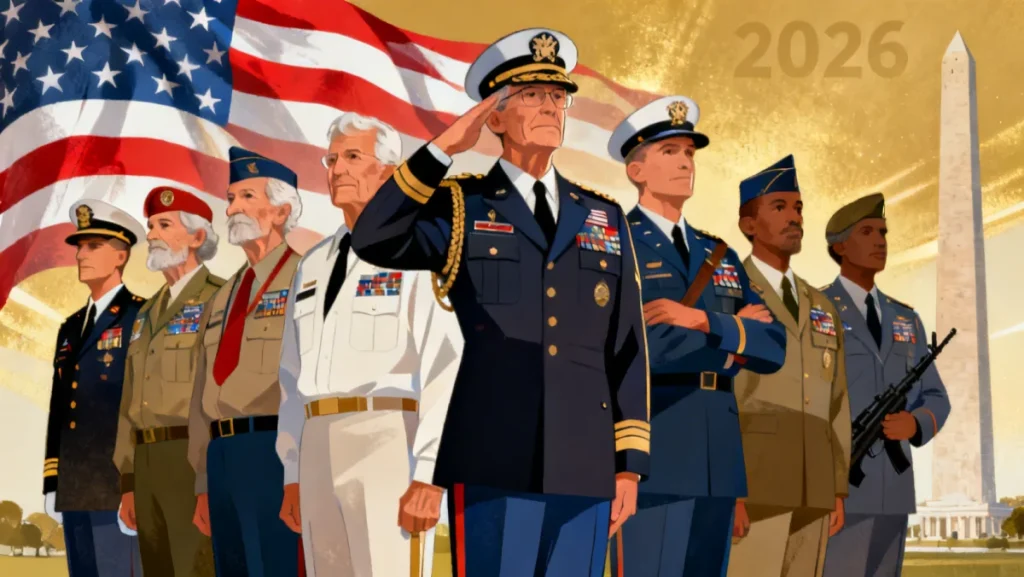
The 2026 updates to veterans’ benefits introduce significant advancements in housing, education, and healthcare programs, aiming to provide more accessible and comprehensive support for those who have served.
As we advance into 2026, understanding the evolving landscape of Veterans’ Benefits in 2026: A Comprehensive Update on Housing, Education, and Healthcare Programs is more crucial than ever for service members, their families, and advocates. These vital programs, designed to honor and support those who have selflessly served our nation, undergo regular evaluations and adjustments to better meet the changing needs of the veteran community. This year brings forth significant enhancements and clarifications across several key areas, ensuring that veterans continue to receive the comprehensive support they deserve.
Understanding the New Era of Veterans’ Housing Assistance in 2026
The Department of Veterans Affairs (VA) has consistently aimed to provide stable and secure housing for veterans. In 2026, several critical updates to housing assistance programs are set to take effect, designed to tackle persistent challenges such as homelessness and affordable housing accessibility. These changes reflect a deeper commitment to ensuring every veteran has a safe place to call home, with particular attention paid to those in vulnerable populations.
One of the primary focuses for 2026 is the expansion of the VA’s Home Loan Guaranty program. This expansion includes increased loan limits and more flexible eligibility criteria, making homeownership more attainable for a broader range of veterans, especially in competitive housing markets. Furthermore, there’s a renewed emphasis on supporting energy-efficient home improvements, aligning with national environmental goals and offering long-term savings for veteran homeowners.
Expanded Eligibility for VA Home Loans
The VA Home Loan Guaranty program continues to be a cornerstone of veteran housing support. For 2026, the VA has refined its eligibility requirements to include more service members who previously faced barriers, such as those with certain National Guard or Reserve service periods. The aim is to recognize all forms of military service and extend benefits equitably.
- Increased Loan Limits: For many regions, the maximum loan amount eligible for VA guarantee has been raised, reflecting current market values.
- Streamlined Application Process: New digital tools and improved inter-agency coordination are reducing the time and complexity of applying for a VA loan.
- Focus on Sustainable Housing: Incentives for veterans purchasing or renovating homes with energy-efficient technologies are now more prominent.
Beyond homeownership, significant strides are being made in addressing veteran homelessness. New initiatives under the Supportive Services for Veteran Families (SSVF) program are receiving enhanced funding. This allows for greater outreach, rapid re-housing assistance, and stronger partnerships with community organizations to provide comprehensive support systems. The goal is not just to house veterans, but to provide them with the resources needed for long-term stability and well-being.
In conclusion, the 2026 updates to veterans’ housing assistance demonstrate a proactive approach to evolving market conditions and veteran needs. From making homeownership more accessible to providing robust support for those experiencing homelessness, these changes are designed to create a more secure future for veterans across the nation.
Revolutionizing Veterans’ Education Benefits in 2026
Education remains a powerful tool for veterans transitioning to civilian life and advancing their careers. The Post-9/11 GI Bill and other educational assistance programs have been instrumental in this regard, and 2026 brings forward several enhancements aimed at maximizing their impact. These updates are designed to make higher education and vocational training more accessible, flexible, and relevant to the demands of the modern workforce.
A key focus for 2026 is the expansion of eligible educational programs. This includes a greater emphasis on STEM (Science, Technology, Engineering, and Mathematics) fields, as well as high-demand vocational training programs that lead directly to employment. The VA recognizes the importance of equipping veterans with skills that are critical for economic success in a rapidly changing job market, ensuring their educational investments yield tangible career benefits.
Flexible Learning Options and STEM Initiatives
The VA is adapting to new educational paradigms by supporting more flexible learning options. This includes increased funding for online programs and hybrid learning models, acknowledging that many veterans balance education with work and family responsibilities. The goal is to remove geographical and logistical barriers to learning, making quality education available to all.
- Expanded STEM Scholarships: Additional funding allocated for veterans pursuing degrees in science, technology, engineering, and mathematics.
- Support for Vocational Training: Increased coverage for certifications and apprenticeships in high-demand trades, such as cybersecurity and renewable energy.
- Enhanced Career Counseling: More robust career guidance services to help veterans align their educational choices with their long-term career aspirations.
Furthermore, the 2026 updates include provisions for improved academic and financial counseling for student veterans. This ensures that they not only select appropriate courses of study but also manage their finances effectively throughout their educational journey. The VA is partnering with educational institutions to provide these services, creating a more integrated support system.
In summary, the educational benefits for veterans in 2026 are geared towards fostering greater accessibility, relevance, and career readiness. By expanding program eligibility, supporting flexible learning, and providing comprehensive guidance, the VA is empowering veterans to achieve their academic and professional goals, contributing significantly to the national workforce.
Advancements in Veterans’ Healthcare Programs for 2026
Healthcare is a cornerstone of veteran well-being, and the VA healthcare system is continuously adapting to provide high-quality, accessible care. The 2026 updates to healthcare programs reflect a commitment to integrated care, mental health support, and specialized services, ensuring that veterans receive the best possible medical attention tailored to their unique needs, whether physical or psychological.
A significant development for 2026 is the continued integration of community care options, providing veterans with more choices and reducing wait times for specialized services. While the VA remains the primary provider, strategic partnerships with private healthcare providers are being strengthened to ensure seamless access to a broader range of medical treatments and therapies, particularly in rural or underserved areas.
Focus on Mental Health and Telehealth Services
Mental health support continues to be a top priority. Recognizing the diverse mental health challenges faced by veterans, the VA is expanding its mental health services, including increased access to psychotherapy, group therapy, and specialized treatments for PTSD and TBI. Telehealth services are also seeing significant expansion, making mental health support more accessible from the comfort of a veteran’s home.

- Expanded Telehealth Capabilities: New platforms and services for remote consultations, especially for mental health and primary care.
- Integrated Pain Management: Comprehensive programs combining various therapies to manage chronic pain, reducing reliance on opioids.
- Preventative Health Initiatives: Increased focus on wellness programs, including diet, exercise, and stress reduction, to promote overall health.
Furthermore, the VA is investing in cutting-edge medical research, particularly in areas affecting veterans, such as prosthetics, regenerative medicine, and precision oncology. These investments aim to bring the latest medical innovations to veterans, improving treatment outcomes and quality of life. There’s also a renewed emphasis on preventative care and wellness programs, encouraging veterans to adopt healthier lifestyles.
In conclusion, the 2026 advancements in veterans’ healthcare programs are designed to provide holistic, responsive, and innovative care. By expanding access, prioritizing mental health, embracing technology, and investing in research, the VA is committed to meeting the evolving health needs of the veteran population, ensuring their continued well-being for years to come.
Eligibility and Application Process Updates for 2026
Navigating the various veterans’ benefits programs can often be complex, but for 2026, significant efforts have been made to simplify eligibility criteria and streamline the application process. The goal is to make it easier for veterans to understand what they are entitled to and to apply for benefits with minimal bureaucratic hurdles, ensuring timely access to crucial support.
One of the major improvements is the enhanced functionality of the VA.gov website and mobile application. These digital platforms now offer more intuitive interfaces, personalized dashboards, and AI-powered assistance to guide veterans through the application process. This digital transformation aims to reduce common errors and speed up processing times, making the entire experience less daunting.
Simplified Documentation and Digital Submissions
The VA is working towards reducing the amount of physical documentation required for many applications, encouraging digital submissions and inter-agency data sharing where possible. This not only makes the process more efficient but also aligns with modern data management practices, enhancing security and accessibility for veterans.
- Digital Document Uploads: Secure portals for submitting necessary paperwork electronically, reducing the need for mail or in-person visits.
- Personalized Benefit Trackers: New tools on VA.gov allowing veterans to monitor the status of their applications in real-time.
- Dedicated Support Lines: Expanded call center hours and specialized support agents to assist with application queries and technical issues.
Additionally, outreach programs are being amplified, with more VA representatives available at community events and military installations to provide in-person assistance and answer questions. These efforts are particularly focused on reaching veterans in remote areas or those who may not be comfortable with digital platforms, ensuring no one is left behind.
In conclusion, the 2026 updates to eligibility and application processes signify a strong move towards a veteran-centric approach. By simplifying requirements, leveraging digital technology, and expanding direct support, the VA is committed to making benefits more accessible and reducing the administrative burden on those who have served our country.
Supporting Veteran Caregivers and Families in 2026
The role of caregivers and families in a veteran’s life is invaluable, and their support is critical for the veteran’s recovery and well-being. Recognizing this, the 2026 updates include significant enhancements to programs designed to support veteran caregivers and families, ensuring they receive the resources and recognition they deserve for their tireless dedication.
The Program of Comprehensive Assistance for Family Caregivers (PCAFC) is seeing further expansion, with updated eligibility criteria and increased stipends for approved caregivers. These changes aim to provide more financial relief and support services to those who provide full-time care for veterans with serious injuries or illnesses, acknowledging the profound impact of their contributions.
Expanded Caregiver Support and Family Resources
Beyond financial assistance, there is an increased focus on providing comprehensive training, respite care, and mental health resources for caregivers. The VA understands that caregiving can be physically and emotionally demanding, and these services are crucial for preventing caregiver burnout and promoting their overall well-being.
- Increased Stipend Rates: Adjustments to caregiver stipends to better reflect the cost of living and the level of care provided.
- Expanded Respite Care Options: More flexible and accessible respite care services, allowing caregivers essential breaks.
- Mental Health Support for Caregivers: Dedicated counseling and support groups for caregivers to address their unique mental health challenges.
Furthermore, educational resources for veteran families are being enhanced, covering topics such as navigating VA benefits, understanding mental health conditions, and accessing community support networks. These resources empower families to be more effective advocates and partners in their veteran’s care journey, fostering a stronger support ecosystem.
In summary, the 2026 updates underscore the VA’s commitment to supporting the entire veteran family unit. By expanding caregiver assistance, providing essential resources, and recognizing their vital role, these programs aim to ensure that both veterans and their families thrive, creating a healthier and more resilient community.
Future Outlook: What’s Next for Veterans’ Benefits Beyond 2026
While the 2026 updates bring significant improvements, the landscape of veterans’ benefits is always evolving. Looking beyond 2026, the VA and Congress are already exploring new initiatives and long-term strategies to further enhance support for veterans, adapting to emerging challenges and opportunities. This forward-looking approach ensures that benefits remain relevant and effective for future generations of service members.
One key area of future development is the integration of artificial intelligence (AI) and machine learning into benefits processing and personalized care plans. These technologies hold the promise of even greater efficiency, faster claim resolutions, and more tailored healthcare interventions, moving towards a truly proactive support system for veterans.
Anticipated Technological Integrations and Policy Shifts
Discussions are also underway regarding potential policy shifts to address the unique needs of veterans from newer conflicts, as well as those transitioning from increasingly technological military roles. This includes exploring benefits for specialized training in advanced fields and support for entrepreneurial ventures post-service.
- AI-Powered Benefits Navigation: Development of AI tools to help veterans identify and apply for all eligible benefits more easily.
- Personalized Healthcare Roadmaps: Utilizing data analytics to create individualized health and wellness plans for veterans.
- Climate Change Adaptation: Potential benefits related to environmental resilience and support for veterans affected by climate-related disasters.
Moreover, there is a growing recognition of the importance of addressing the social determinants of health for veterans. This holistic approach looks beyond traditional medical care to include factors like employment, social connection, and environmental stability, all of which contribute to a veteran’s overall well-being. Future programs are likely to reflect this broader understanding of health.
In conclusion, the future of veterans’ benefits is poised for continued innovation and expansion. By embracing technological advancements, adapting to new challenges, and adopting a holistic view of veteran well-being, the commitment to providing comprehensive and effective support remains unwavering, ensuring that veterans continue to be honored and cared for in the years to come.
| Key Program Area | 2026 Update Highlights |
|---|---|
| Housing Assistance | Expanded VA Home Loan eligibility, increased loan limits, enhanced homelessness support. |
| Education Benefits | Greater focus on STEM, vocational training, flexible learning, and career counseling. |
| Healthcare Programs | Enhanced mental health services, telehealth expansion, integrated community care, preventative focus. |
| Caregiver Support | Expanded PCAFC eligibility, increased stipends, and more resources for caregiver well-being. |
Frequently Asked Questions About Veterans’ Benefits 2026
In 2026, VA Home Loans feature expanded eligibility for more service members, increased maximum loan limits in many regions, and a streamlined digital application process. There’s also a new emphasis on supporting energy-efficient home improvements, offering long-term savings for veteran homeowners.
The 2026 education benefits focus on high-demand fields like STEM and vocational training, with expanded scholarships and coverage for certifications. Flexible learning options, including online and hybrid models, are also emphasized, alongside enhanced career counseling to align education with job market needs.
For 2026, VA mental health services include expanded access to psychotherapy, group therapy, and specialized PTSD/TBI treatments. Telehealth capabilities have also significantly grown, making mental health support more accessible from home, alongside integrated pain management programs.
Yes, the Program of Comprehensive Assistance for Family Caregivers (PCAFC) has expanded eligibility and increased stipends for approved caregivers. Additional resources for respite care, mental health support, and educational materials are also being provided to prevent burnout and support caregiver well-being.
The application process in 2026 is simplified through enhanced VA.gov features, including personalized dashboards and AI-powered assistance. There’s a push for digital documentation, secure uploads, and real-time tracking of applications, reducing administrative burden and speeding up processing times for veterans.
Conclusion
The comprehensive updates to veterans’ benefits in 2026 underscore a steadfast commitment to supporting those who have served the nation. From expanded housing and educational opportunities to advanced healthcare and robust caregiver support, these changes are designed to be more responsive, accessible, and integrated. As we move forward, the continuous evolution of these programs reflects a dynamic approach to meeting the diverse and changing needs of the veteran community, ensuring that their sacrifices are met with enduring gratitude and practical assistance for a prosperous future.