FEMA’s 2026 Hurricane Season: New Guidelines & Funding for Preparedness
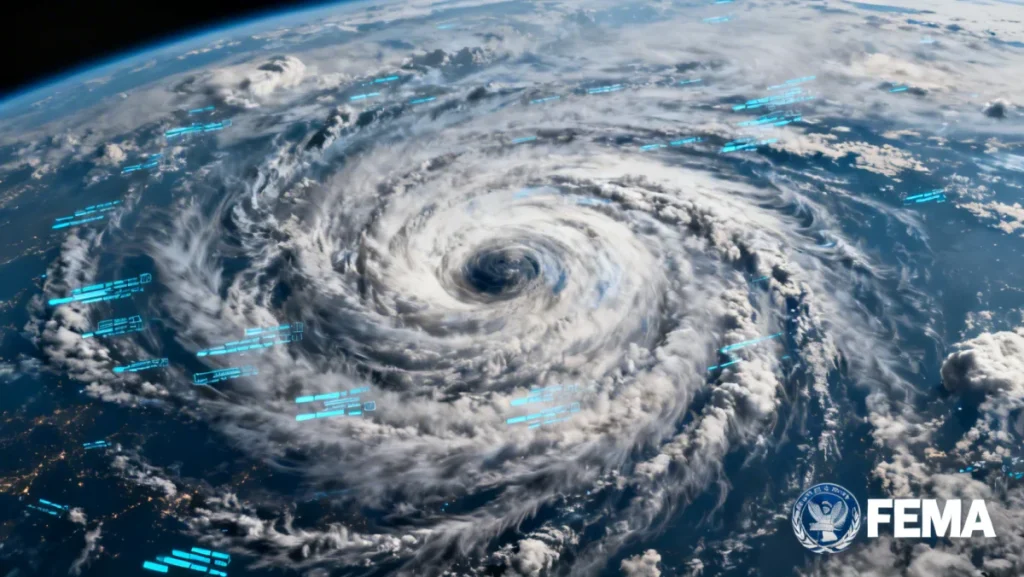
FEMA has outlined crucial new guidelines and funding for the 2026 hurricane season, emphasizing proactive disaster preparedness and community resilience across the United States.
As the United States looks ahead to the 2026 hurricane season, the Federal Emergency Management Agency (FEMA) is rolling out significant updates. Understanding FEMA 2026 Hurricane Preparedness is more critical than ever, with new guidelines and funding initiatives designed to bolster national resilience against increasingly severe weather events. These proactive measures aim to equip communities and individuals with the resources and knowledge needed to navigate future challenges effectively.
Understanding the Evolving Threat Landscape for 2026
The severity and frequency of hurricanes continue to escalate, driven by complex climate patterns. For the 2026 hurricane season, experts anticipate a continuation of this trend, making robust preparedness strategies essential. FEMA’s updated approach reflects a deep understanding of these evolving threats, moving beyond reactive responses to embrace a more forward-thinking stance.
This shift involves leveraging advanced meteorological data and climate science to predict potential impacts with greater accuracy. The goal is to provide communities with earlier warnings and more tailored guidance, allowing for more effective pre-positioning of resources and evacuation planning. Understanding these changes is the first step toward effective mitigation.
Increased Intensity and Rapid Intensification
One of the most concerning trends is the increased intensity of hurricanes and their tendency for rapid intensification. This means storms can strengthen quickly, leaving less time for preparation.
- Storms are forming and gaining strength faster than in previous decades.
- Coastal regions face heightened risks from stronger winds and storm surges.
- Inland areas are increasingly vulnerable to extreme rainfall and flooding.
Broader Geographic Impact
Historically, certain regions were considered primary hurricane targets. However, recent seasons have shown storms impacting areas further inland and along coasts not typically considered high-risk. This broader geographic impact necessitates a more widespread and inclusive approach to preparedness.
FEMA is working to ensure that all states, not just those traditionally affected, have access to the necessary resources and training. This expanded focus aims to build a national network of resilient communities capable of responding to diverse hurricane scenarios. The agency recognizes that a localized approach, while important, must be integrated into a larger national strategy.
The evolving threat landscape for 2026 demands a dynamic and adaptable approach to disaster preparedness. FEMA’s updated guidelines are a direct response to these challenges, emphasizing proactive measures, community engagement, and the strategic deployment of resources to protect lives and property.
FEMA’s New Guidelines for the 2026 Hurricane Season
FEMA’s new guidelines for the 2026 hurricane season represent a significant evolution in disaster preparedness. These updates are designed to enhance resilience, streamline response efforts, and empower communities to take more proactive roles. The focus is on integrating lessons learned from previous seasons with cutting-edge research and technology.
Central to these guidelines is an emphasis on pre-disaster mitigation, aiming to reduce the overall impact of hurricanes before they strike. This includes promoting stronger building codes, investing in natural infrastructure, and improving early warning systems. The agency is moving towards a “whole community” approach, recognizing that effective preparedness requires collaboration among all levels of government, private organizations, and individual citizens.
Enhanced Community Preparedness Plans
The new guidelines mandate more detailed and comprehensive community preparedness plans. These plans must now incorporate specific considerations for vulnerable populations, including elderly residents, individuals with disabilities, and those with limited English proficiency.
- Requirements for updated evacuation routes and shelter capacities.
- Integration of mental health support into post-disaster recovery efforts.
- Emphasis on digital communication strategies for real-time information dissemination.
Focus on Climate-Resilient Infrastructure
A cornerstone of the 2026 guidelines is the push for climate-resilient infrastructure. FEMA is encouraging states and localities to invest in projects that can withstand the increasing stresses of severe weather. This includes everything from elevated homes to robust levee systems and improved drainage.
The agency is providing technical assistance and resources to help communities identify and implement these critical infrastructure improvements. By building stronger, more resilient physical structures, the aim is to minimize damage and accelerate recovery times. This forward-looking strategy is crucial for long-term sustainability in hurricane-prone regions.
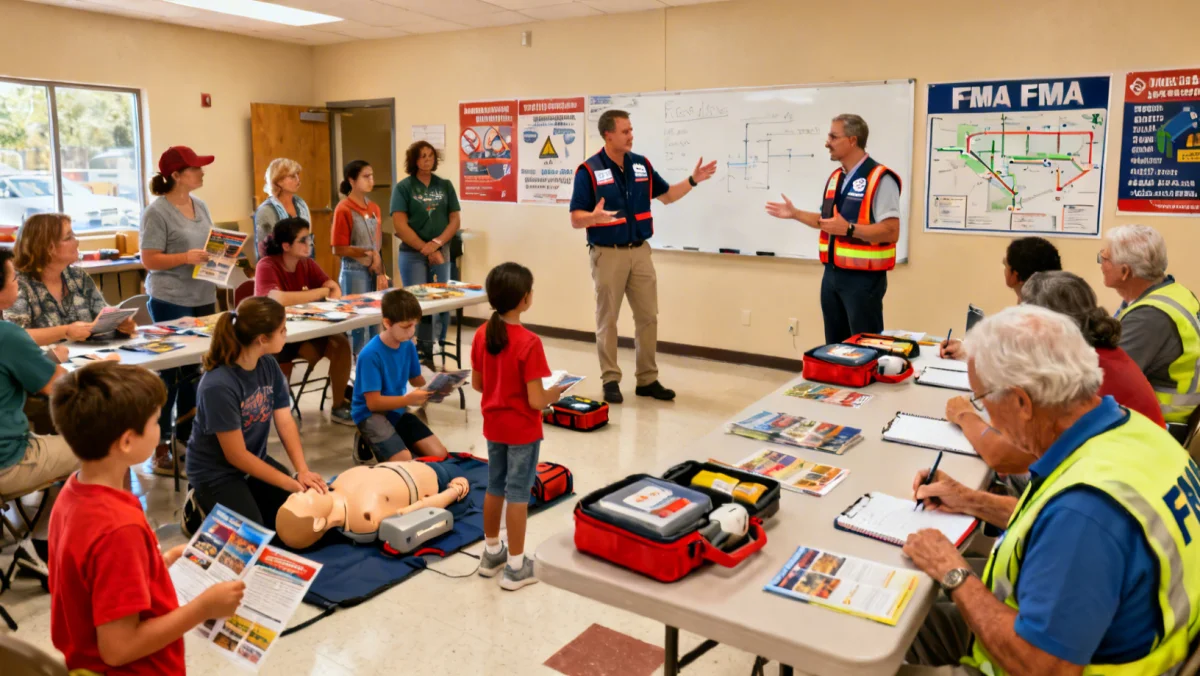
FEMA’s new guidelines for 2026 are not merely regulatory updates; they are a strategic pivot towards a more adaptive and resilient national preparedness framework. They underscore the importance of foresight, collaboration, and sustained investment in protecting communities from the growing threat of hurricanes.
New Funding Opportunities and How to Access Them
To support the ambitious goals of the 2026 hurricane season guidelines, FEMA has unveiled substantial new funding opportunities. These financial resources are designed to enable states, local governments, tribes, and territories to implement the enhanced preparedness and mitigation strategies outlined by the agency. Accessing these funds requires a clear understanding of the application processes and eligibility criteria.
The funding aims to support a broad range of activities, from developing comprehensive community plans to investing in climate-resilient infrastructure and public awareness campaigns. FEMA is committed to making these funds accessible and transparent, providing guidance and technical assistance throughout the application process. This financial injection is critical for translating policy into tangible protective measures.
Hazard Mitigation Grant Program (HMGP) Enhancements
The existing Hazard Mitigation Grant Program (HMGP) has received significant enhancements, with increased allocations and expanded eligibility for projects. The HMGP now places a greater emphasis on proactive measures that reduce future risks.
- Expanded criteria for nature-based solutions and green infrastructure projects.
- Prioritization of projects benefiting socially vulnerable communities.
- Streamlined application processes to expedite funding approvals.
Building Resilient Infrastructure and Communities (BRIC) Program Expansion
The Building Resilient Infrastructure and Communities (BRIC) program is also seeing substantial expansion for 2026. BRIC focuses on pre-disaster mitigation activities that protect communities and infrastructure from natural hazards before they occur.
New funding under BRIC will support innovative projects that demonstrate long-term effectiveness and sustainability. This includes investments in advanced early warning systems, resilient utilities, and community-wide mitigation plans. FEMA is actively encouraging proposals that showcase creative solutions to complex resilience challenges, fostering a culture of innovation in disaster preparedness.
The new funding opportunities are a vital component of FEMA’s 2026 strategy, providing the necessary financial backbone for communities to build stronger, safer, and more resilient futures in the face of escalating hurricane threats.
Practical Solutions for Community Resilience
Building community resilience against hurricanes goes beyond policy and funding; it requires practical, actionable solutions that can be implemented at the local level. FEMA’s 2026 focus includes promoting a suite of strategies designed to empower communities to withstand, adapt to, and recover from hurricane impacts more effectively. These solutions emphasize local ownership and tailored approaches.
From individual household preparedness to large-scale infrastructure projects, the emphasis is on creating layers of protection. This means encouraging residents to develop personal emergency plans, while also supporting local governments in developing robust emergency response capabilities. The goal is to foster a culture of preparedness that permeates every aspect of community life.
Developing Comprehensive Emergency Kits
One of the most fundamental practical solutions is the development of comprehensive emergency kits. These kits should be readily accessible and contain essential supplies to sustain individuals and families for several days in the event of disrupted services.
- Water, non-perishable food, and essential medications.
- Battery-powered radio, flashlight, and extra batteries.
- First-aid supplies, whistle, and personal hygiene items.
Community-Wide Evacuation Drills and Sheltering Plans
Regular community-wide evacuation drills and well-communicated sheltering plans are critical for ensuring public safety. These exercises help residents understand routes, accessibility, and the logistics of seeking refuge.
Local emergency management agencies are encouraged to conduct these drills annually, involving schools, businesses, and healthcare facilities. Clear communication channels, including local media and digital alerts, are essential for informing the public about these plans and any necessary updates. Effective drills can significantly reduce chaos and save lives during an actual hurricane event.
Implementing practical solutions for community resilience is about translating guidelines into action. By focusing on both individual preparedness and collective community efforts, FEMA aims to build a more robust defense against the unpredictable nature of future hurricane seasons.
Leveraging Technology in Disaster Preparedness 2026
The 2026 hurricane season will see an unprecedented integration of technology into disaster preparedness efforts. FEMA is actively promoting the adoption of advanced tools and platforms to enhance everything from early warning systems to post-disaster damage assessment. This technological push is vital for improving response times, accuracy, and overall effectiveness.
From artificial intelligence to sophisticated mapping software, technology offers transformative capabilities. The goal is to move towards a more data-driven approach, allowing emergency managers to make informed decisions rapidly. This includes predictive modeling that can forecast storm paths with greater precision and communication tools that ensure information reaches those who need it most.
Advanced Weather Monitoring and Predictive Analytics
Significant investments are being made in advanced weather monitoring technologies, including enhanced satellite imagery and radar systems. These tools, combined with predictive analytics, can offer earlier and more accurate storm forecasts.
- Real-time data feeds for improved storm tracking.
- AI-driven models to predict flood zones and impact areas.
- Integration of drone technology for rapid aerial assessments.
Digital Communication and Alert Systems
Effective communication is paramount during a disaster. FEMA is advocating for the widespread adoption of digital communication and alert systems that can reach a broad audience quickly and reliably, even when traditional infrastructure is compromised.
This includes leveraging social media platforms, mobile applications, and emergency broadcast systems that can operate on backup power. The focus is on creating redundant communication channels to ensure that critical information, such as evacuation orders and shelter locations, is always accessible to the public. Technology helps bridge the information gap when every second counts.
The strategic leveraging of technology is a cornerstone of FEMA’s 2026 preparedness strategy. By embracing innovation, communities can enhance their ability to monitor threats, communicate effectively, and respond decisively, ultimately saving lives and minimizing damage during hurricane events.
The Role of Individuals and Local Engagement in Resilience
While federal agencies like FEMA provide critical frameworks and funding, the ultimate success of hurricane preparedness for 2026 heavily relies on the active participation of individuals and robust local engagement. Personal preparedness and community-level initiatives form the bedrock of true resilience, ensuring that efforts are tailored to specific local needs and circumstances.
Empowering individuals to take ownership of their safety and encouraging local organizations to collaborate creates a powerful collective defense. This bottom-up approach complements the top-down guidance from FEMA, fostering a more comprehensive and effective preparedness ecosystem. Every household and every neighborhood has a vital role to play.
Creating a Family Emergency Plan
One of the most impactful steps an individual can take is to create a detailed family emergency plan. This plan should outline communication strategies, meeting points, and evacuation routes, ensuring everyone knows what to do when a hurricane threatens.
- Designate an out-of-state contact for family members to check in with.
- Practice evacuation routes and discuss emergency roles for each family member.
- Include plans for pets and any family members with special needs.
Volunteering and Community Emergency Response Teams (CERT)
Local engagement is significantly strengthened through volunteering and participation in programs like Community Emergency Response Teams (CERT). These trained volunteers play a crucial role in supporting professional first responders during and after a disaster.
CERT members learn basic disaster response skills, such as fire safety, light search and rescue, and disaster medical operations. By becoming part of a CERT team, individuals can contribute directly to their community’s resilience, providing essential support when professional services are overwhelmed. This local expertise and manpower are invaluable assets in times of crisis, embodying the spirit of community self-reliance.
The emphasis on individual responsibility and local engagement underscores FEMA’s holistic view of disaster preparedness for 2026. By fostering a culture of readiness at every level, communities can become more self-sufficient and capable of navigating the challenges posed by severe weather events.
| Key Aspect | Description for 2026 |
|---|---|
| New Guidelines | Enhanced focus on pre-disaster mitigation, climate resilience, and inclusive community plans. |
| Funding Opportunities | Expanded HMGP and BRIC programs for infrastructure and community resilience projects. |
| Practical Solutions | Emphasis on emergency kits, evacuation drills, and local engagement for effective response. |
| Technology Integration | Utilizing advanced weather monitoring, AI, and digital alert systems for improved readiness. |
Frequently Asked Questions About 2026 Hurricane Preparedness
FEMA’s 2026 guidelines emphasize proactive pre-disaster mitigation, climate-resilient infrastructure, and more inclusive community preparedness plans. They aim to integrate advanced technology and foster stronger local engagement to enhance overall national resilience against increasingly intense hurricane seasons.
Communities can access new funding through enhanced Hazard Mitigation Grant Program (HMGP) and expanded Building Resilient Infrastructure and Communities (BRIC) initiatives. Eligibility and application details are available on FEMA’s official website, with a focus on projects that reduce future risks and benefit vulnerable populations.
Individuals should create a comprehensive family emergency plan, including communication strategies and evacuation routes. It’s also crucial to assemble an emergency kit with essential supplies for several days and consider participating in local Community Emergency Response Teams (CERT) for broader community support.
Technology integration for 2026 includes advanced weather monitoring, AI-driven predictive analytics for storm forecasting and impact assessment, and sophisticated digital communication and alert systems. These tools aim to provide earlier warnings, improve information dissemination, and streamline emergency response efforts.
Local engagement is crucial because it ensures preparedness efforts are tailored to specific community needs and resources. Active participation from individuals and local organizations, such as through volunteering or CERT programs, builds a stronger, more self-sufficient community that can respond effectively, complementing federal initiatives.
Conclusion
The 2026 hurricane season marks a pivotal moment in disaster preparedness for the United States. With FEMA’s new guidelines and substantial funding, there is a clear and concerted effort to shift towards a more proactive, resilient, and technologically advanced approach. This holistic strategy recognizes the escalating threats posed by climate change and aims to empower communities and individuals alike. By embracing these updates, leveraging new financial resources, and fostering strong local engagement, the nation can significantly enhance its ability to withstand, adapt to, and recover from the inevitable challenges of future hurricane seasons, ultimately safeguarding lives and livelihoods across the country.