STEM education focus: Why it matters now more than ever

STEM education emphasizes the integration of science, technology, engineering, and mathematics, preparing students for future careers while enhancing problem-solving, creativity, and collaboration skills through hands-on, real-world applications.
STEM education focus is increasingly essential in today’s rapidly evolving world. Have you ever considered how this emphasis shapes the future of our students and workforce? Let’s dive into its importance and impact.
Understanding the principles of STEM education
Understanding the principles of STEM education is essential for grasping its impact on modern learning. This approach combines science, technology, engineering, and mathematics to prepare students for future challenges.
The Core Elements of STEM Education
The foundation of STEM education lies in integrating various subjects. By combining these fields, students can see the connections between them. This interconnected learning fosters creativity and innovation.
- Science: Encouraging inquiry and exploration.
- Technology: Utilizing tools for problem-solving.
- Engineering: Designing solutions to real-world issues.
- Mathematics: Applying logical reasoning and analysis.
Through hands-on activities, students engage actively, which enhances their understanding. For instance, building a simple robot helps them learn about physics while having fun. Such projects promote teamwork and critical thinking.
Importance of Critical Thinking
Critical thinking is a vital aspect of STEM education. Students are encouraged to ask questions and seek solutions independently. This method of learning empowers them to tackle complex problems effectively.
Moreover, STEM education nurtures a growth mindset. Students learn from failures, making adjustments to improve their projects. This resilience is crucial in today’s fast-paced world, where adaptability is a key skill.
By emphasizing collaboration, students learn to work together on projects. They share ideas and combine strengths, which not only enhances learning but also prepares them for future careers.
In summary, the principles of STEM education lay the groundwork for developing essential life skills. By fostering creativity, critical thinking, and collaboration, students are equipped to face future challenges with confidence.
Benefits of STEM focus in today’s curriculum
The benefits of a STEM focus in today’s curriculum are vast and essential for preparing students for the future. By integrating science, technology, engineering, and mathematics, schools create a dynamic learning environment that engages students.
Enhanced Problem-Solving Skills
A STEM focus helps students develop critical problem-solving skills. They learn to approach challenges logically and creatively. For instance, building a robot requires understanding of engineering principles, coding, and teamwork.
- Encourages analytical thinking.
- Promotes experimentation and innovation.
- Fosters adaptability to new situations.
- Engages students in real-life problem solving.
Not only do students learn concepts, but they also apply them in practical ways. This hands-on experience solidifies their understanding and prepares them for varied career paths. Moreover, by being involved in projects and labs, students feel more connected to their work.
Future Career Opportunities
With a strong STEM focus, students are better prepared for the job market. Many career fields are evolving rapidly, and the demand for skilled workers in STEM areas continues to grow. Students exposed to these principles are more likely to pursue careers in technology, engineering, and healthcare.
Furthermore, a STEM focus cultivates a passion for lifelong learning. As industries change, employees must adapt their skills. Early exposure to STEM concepts gives students a solid foundation from which to build their knowledge.
Incorporating a STEM focus in education promotes interdisciplinary learning, connecting various subjects. This holistic approach helps students see the relevance of their education in the world around them, increasing motivation and engagement.
Real-world applications of STEM learning
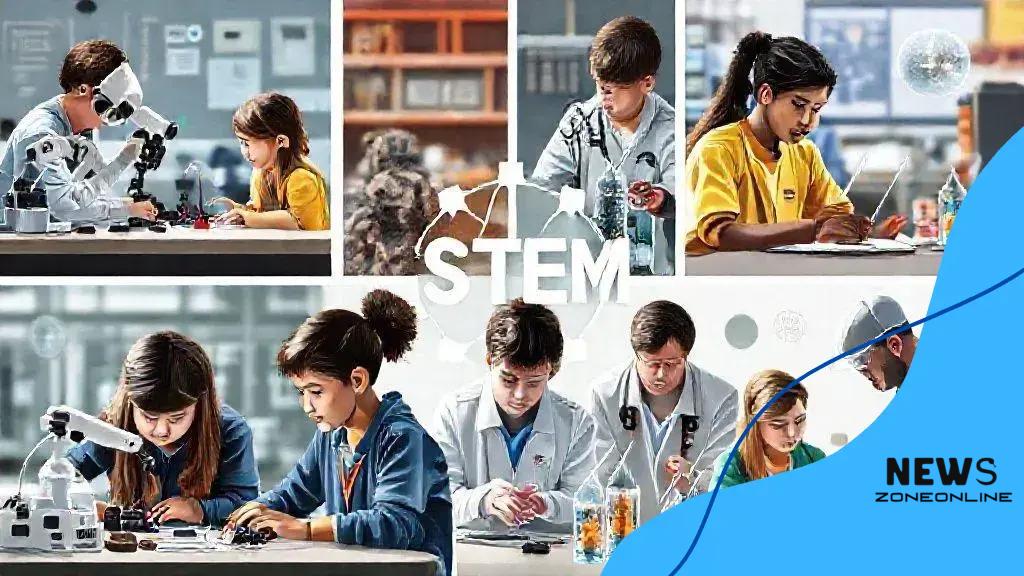
Real-world applications of STEM learning show students how these concepts are used beyond the classroom. Understanding this practical relevance keeps students engaged and motivated.
Everyday Innovations
Many everyday innovations stem from STEM education. For example, smartphones combine principles of engineering and technology, making communication easier and more efficient. Students who grasp these principles can innovate in their own lives.
- Medical devices: Technologies that save lives.
- Smart home systems: Improving energy efficiency and safety.
- Transportation advancements: Creating faster and safer vehicles.
- Environmental solutions: Addressing climate change with new technologies.
By learning how these innovations work, students can envision their potential contributions to society. This knowledge also inspires them to think critically about challenges and how they can develop solutions.
Hands-On Experiences
Experiential learning opportunities like internships and workshops enhance the STEM learning experience. Programs that engage students with real-world projects help to bridge the gap between theory and practice. Students can work on projects ranging from coding applications to conducting scientific research.
Such experiences allow students to apply what they’ve learned in tangible ways. Whether through a summer camp focused on robotics or a science fair project, they gain confidence and skills that are valuable in many career paths.
Additionally, partnerships with local businesses and organizations provide students with mentorship. This connection to professionals in the field opens doors and expands their career perspectives.
Challenges in implementing STEM education
Challenges in implementing STEM education exist at various levels, affecting educators, students, and institutions alike. Recognizing these obstacles is the first step toward creating solutions.
Lack of Resources
One major challenge is the lack of resources in many schools. Budget constraints often result in insufficient supplies for hands-on activities and projects. Without the necessary tools, teachers struggle to deliver effective STEM education.
- Limited access to technology.
- Insufficient laboratory equipment.
- Few extracurricular programs focused on STEM.
- Lack of funding for innovative projects.
Classes may often rely on outdated materials, limiting student engagement. This under-resourced environment can demotivate both teachers and students.
Teacher Training
Another challenge is the need for qualified teachers trained in STEM subjects. Many educators may not have the background or support to teach these complex topics effectively. As a result, lessons can lack depth and excitement.
Professional development opportunities can help, but finding time and funding for training can be difficult. If teachers don’t feel confident in their knowledge, they may struggle to inspire their students.
Furthermore, integrating STEM education across the curriculum requires collaboration among teachers. It can be challenging to find common ground between different subjects, leading to silos instead of a unified approach.
Student Engagement
Engaging all students in STEM education can also be a challenge. Some students may find these subjects intimidating or not connect with them personally. There can be a perception that STEM is only for certain students, which can discourage participation.
Creating a welcoming and inclusive environment is vital. Teachers can employ various teaching strategies to reach different learning styles and interests. Incorporating real-world applications can help students see the value in STEM education and encourage their curiosity.
Future trends in STEM education
Future trends in STEM education are rapidly evolving, driven by technology and the needs of society. Educators are exploring innovative ways to engage students and enhance their learning experiences.
Integration of Technology
One major trend is the integration of advanced technology in the classroom. Virtual reality (VR) and augmented reality (AR) are becoming more common tools in STEM education. These technologies provide immersive experiences that enhance learning.
- Simulations for complex scientific concepts.
- VR field trips to historical sites or outer space.
- AR applications that overlay information on real-world objects.
- Interactive coding experiences that engage students.
Moreover, online learning platforms are also transforming how students learn STEM subjects. With access to vast resources, students can explore topics at their own pace, fostering self-directed learning.
Emphasis on Collaboration
Another trend is the growing emphasis on collaboration and teamwork. Group projects are becoming a standard in STEM education, allowing students to learn how to work together effectively. These collaborations often span different disciplines, encouraging creativity and problem-solving skills.
Partnerships between schools and local industries are becoming vital. Such partnerships provide hands-on opportunities for students, making learning relevant and applicable to real-world problems. This connection can motivate students to pursue careers in STEM.
Additionally, problem-based learning is gaining traction. Students tackle real-world challenges, requiring them to think critically and apply their knowledge. This approach cultivates essential skills like communication and adaptability.
In summary, embracing a strong STEM education focus is essential for preparing students for a dynamic future. By addressing challenges and incorporating technology, educators can create engaging learning environments. Collaborative projects will inspire creativity and critical thinking. As we look to the future, incorporating innovative practices will help students thrive in an increasingly technological world. Being aware of these trends ensures that STEM education remains relevant and beneficial for all learners.
FAQ – Frequently Asked Questions about STEM Education
What are the main benefits of a STEM focus in education?
A STEM focus enhances problem-solving skills, encourages creativity, and prepares students for future careers in technology and engineering.
How can technology improve STEM learning experiences?
Technology such as virtual reality and online resources provide interactive and engaging ways for students to learn and apply STEM concepts.
What challenges does STEM education currently face?
Challenges include lack of resources, insufficient teacher training, and difficulties in engaging all students.
Why is collaboration emphasized in STEM education?
Collaboration fosters teamwork and communication skills, which are essential for success in STEM careers and real-world problem-solving.