Immigration Policy: Key Visa Processing Changes by Mid-2026
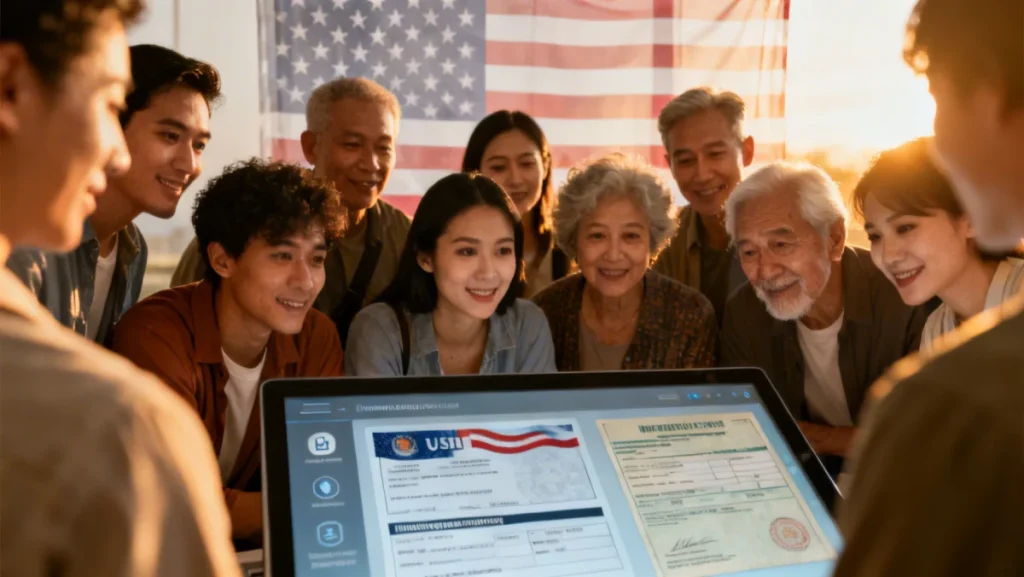
By mid-2026, significant shifts in US immigration policy are expected to reshape visa processing, impacting various categories and requiring applicants to adapt to new procedures and enhanced digital platforms for efficient navigation.
As we approach mid-2026, the landscape of US immigration is poised for significant transformation. Understanding how immigration policy changes 2026 will impact visa processing is crucial for anyone planning to live, work, or study in the United States. This article delves into the recent updates and offers practical solutions to navigate these evolving regulations.
Understanding the Drivers Behind Policy Shifts
The evolution of immigration policy is a complex interplay of economic, social, and political factors. By mid-2026, several key drivers are expected to shape the new regulations concerning visa processing. These drivers often stem from national security concerns, economic demands for specific skill sets, and humanitarian considerations. The government’s goal is often to streamline processes while ensuring national interests are protected. This involves balancing the need for skilled labor and family reunification with robust security measures.
Technological advancements also play a critical role, enabling more efficient data collection and analysis, which in turn influences policy design. The push towards digital transformation in government services is a major factor here, aiming to reduce backlogs and improve applicant experience. Furthermore, international relations and global events can significantly impact how immigration policies are formulated and implemented.
Economic Imperatives and Labor Market Needs
The United States economy constantly evolves, leading to shifts in labor market demands. Future immigration policies will likely reflect these needs, particularly in sectors experiencing critical shortages. This means certain visa categories may see increased prioritization or, conversely, stricter requirements.
- High-Skilled Workers: Expect continued emphasis on attracting and retaining individuals in STEM fields, healthcare, and technology.
- Seasonal Labor: Policies may adapt to address the needs of agricultural and hospitality sectors, potentially through expanded or modified guest worker programs.
- Entrepreneurial Visas: There might be new pathways or streamlined processes for entrepreneurs and innovators looking to establish businesses in the U.S.
These economic considerations are vital in shaping the types of visas that will be prioritized and the criteria applicants must meet. The government aims to ensure immigration benefits the national economy and fills crucial gaps in the workforce.
National Security and Border Control
National security remains a cornerstone of U.S. immigration policy. Future changes are expected to include enhanced vetting procedures and improved data sharing among agencies. This often translates to more rigorous background checks and potentially longer processing times for certain individuals or nationalities, though the aim is to make these processes more efficient through technology.
The focus on border security also influences policies related to asylum and refugee status, with an ongoing debate about balancing humanitarian responsibilities with national security imperatives. These measures are continuously refined to adapt to emerging global threats and technological capabilities.
In conclusion, the drivers behind the anticipated immigration policy changes by mid-2026 are multifaceted, encompassing economic growth, labor market demands, and national security. These factors collectively inform the adjustments to visa processing, aiming for a system that is both secure and responsive to national needs.
Anticipated Changes in Visa Categories and Eligibility
The upcoming shifts in immigration policy by mid-2026 are not expected to be uniform across all visa categories. Instead, we anticipate targeted adjustments that reflect current governmental priorities and societal needs. These changes could range from modified eligibility criteria to the introduction of entirely new visa types, or the consolidation of existing ones. Staying informed about these specific category adjustments will be paramount for prospective applicants.
The focus will likely be on making the system more agile, allowing the U.S. to respond effectively to global challenges and opportunities. For instance, temporary worker visas might see revisions to better align with economic cycles, while family-based immigration could experience procedural updates aimed at efficiency.
H-1B and Other Employment-Based Visas
The H-1B visa program, critical for attracting high-skilled foreign workers, is a frequent subject of policy debate. By mid-2026, we could see significant modifications aimed at refining its scope. This might include prioritizing certain industries, adjusting the annual cap, or revising the lottery system to favor advanced degree holders from U.S. institutions. The goal is to ensure that these visas genuinely address critical skill gaps without displacing domestic workers.
- Prioritization: Expect a stronger focus on STEM fields and advanced degrees.
- Cap Adjustments: Potential for changes in the annual H-1B cap or exemptions for specific categories.
- Wage Requirements: Increased scrutiny on prevailing wage levels to protect both foreign and domestic workers.
Other employment-based categories, such as L-1 visas for intra-company transferees and O-1 visas for individuals with extraordinary ability, may also undergo reviews to ensure their efficacy and prevent potential abuses.
Family-Based Immigration Updates
Family reunification remains a cornerstone of U.S. immigration. While the fundamental principles are unlikely to change drastically, procedural improvements and minor adjustments to eligibility are anticipated. The government may seek to reduce backlogs in certain family preference categories through digital initiatives or by reallocating visa numbers. There’s also a possibility of clearer guidelines for proving bona fide relationships to combat fraud.
For instance, processes for spouses and children of U.S. citizens and permanent residents might be streamlined, focusing on digital document submission and remote interviews where appropriate. This aims to make the family immigration journey less burdensome for eligible applicants.
In summary, the anticipated changes in visa categories and eligibility by mid-2026 are designed to refine the immigration system, making it more responsive to economic needs, more secure, and more efficient for family reunification. Applicants should closely monitor specific category updates.
The Digital Transformation of Visa Processing
One of the most significant shifts expected by mid-2026 is the accelerated digital transformation of visa processing. This initiative aims to modernize the entire application lifecycle, from initial submission to final decision, leveraging technology to enhance efficiency, security, and transparency. The move towards digital platforms is not merely about convenience; it’s a strategic effort to manage the increasing volume of applications, reduce human error, and provide a more consistent experience for applicants worldwide.
This digital push will likely involve new online portals, advanced data analytics, and potentially AI-driven tools to assist in initial application reviews. The goal is to create a seamless, paperless system that minimizes delays and improves communication between applicants and immigration authorities.
Enhanced Online Application Portals
Applicants should prepare for the widespread use of sophisticated online portals that will serve as the primary interface for all visa-related activities. These portals are expected to be user-friendly, offering guided application processes, secure document uploads, and real-time status tracking. The intention is to centralize information and reduce the need for physical submissions or mailed correspondence, significantly speeding up processing times.
- User-Friendly Interface: Intuitive design to simplify complex application forms.
- Secure Document Uploads: Encrypted systems for submitting sensitive personal and financial information.
- Real-time Tracking: Applicants can monitor their application status without direct inquiries.
These portals will also likely integrate with other government databases to verify information efficiently, further contributing to faster processing. The shift means applicants will need reliable internet access and basic digital literacy.
Biometric Data and Advanced Security Measures
Alongside digital applications, the collection and utilization of biometric data are expected to become even more integral to the visa processing system. This includes fingerprints, facial recognition, and potentially iris scans, all aimed at enhancing identity verification and bolstering national security. These measures help prevent fraud and ensure that individuals entering the U.S. are properly vetted.

The integration of advanced security measures will also extend to data analytics, using algorithms to identify potential risks or inconsistencies in applications. While these measures enhance security, they also underscore the importance of accurate and complete application submissions.
In essence, the digital transformation of visa processing by mid-2026 marks a new era for U.S. immigration. It promises greater efficiency, enhanced security, and a more streamlined experience for applicants, albeit requiring adaptation to new technological requirements.
Impact on Processing Times and Application Backlogs
One of the most pressing concerns for visa applicants has always been the length of processing times and the persistent issue of application backlogs. The anticipated immigration policy changes by mid-2026, particularly the digital transformation initiatives, aim to directly address these challenges. While a complete eradication of backlogs might be ambitious, significant improvements are expected, leading to more predictable and potentially shorter waiting periods for many categories.
The modernization efforts are designed to create a more efficient pipeline for applications, from initial submission to final adjudication. This involves automating routine tasks, improving inter-agency communication, and leveraging data to better allocate resources. However, it’s also important to acknowledge that unforeseen circumstances or sudden surges in applications could still impact these improvements.
Streamlined Workflows and Automation
The adoption of advanced digital tools and automation technologies will play a crucial role in reducing processing times. By automating repetitive administrative tasks, immigration officers can focus on more complex aspects of application review, leading to quicker decisions. This includes everything from initial document checks to scheduling interviews and issuing approvals.
- Automated Document Verification: Faster validation of submitted documents against official databases.
- Electronic Case Management: Seamless transfer of application files between different stages and departments.
- Predictive Analytics: Using data to forecast application volumes and allocate resources more effectively.
These streamlined workflows are expected to cut down the overall time an application spends in the system, benefiting applicants across various visa types. The emphasis is on eliminating bottlenecks and creating a continuous flow.
Addressing Historical Backlogs
Tackling existing application backlogs is a monumental task, but the upcoming policy changes are expected to make a concerted effort. This might involve special task forces, targeted funding, and the strategic deployment of additional personnel, alongside the technological upgrades. The aim is to clear the backlog of older applications while simultaneously processing new ones more efficiently.
While some categories with historically high demand might still experience longer waits, the overall trend is towards a reduction in the most severe delays. This will require sustained commitment and effective implementation of the new digital infrastructure.
In conclusion, the impact of new policies by mid-2026 on processing times and application backlogs is projected to be largely positive. Through digital transformation and streamlined workflows, applicants can look forward to a more efficient and predictable visa processing experience, though ongoing vigilance will be necessary to manage new challenges.
Practical Solutions for Prospective Applicants
Navigating the evolving landscape of U.S. immigration policy requires a proactive and informed approach. As we head towards mid-2026, prospective applicants must equip themselves with practical strategies to successfully manage the anticipated changes in visa processing. This includes meticulous preparation, leveraging digital tools effectively, and seeking expert guidance when necessary. The key is to be adaptable and thorough, ensuring all requirements are met under the new regulations.
Understanding the updated documentation, deadlines, and submission protocols will be crucial. This section provides actionable advice to help applicants prepare for and successfully navigate the revised immigration system.
Thorough Preparation and Documentation
The importance of meticulous preparation cannot be overstated. With potential changes in eligibility criteria and required documentation, applicants must ensure every detail is accurate and complete. Start gathering all necessary documents well in advance, including educational certificates, employment records, financial statements, and personal identification. Any inconsistencies or missing information could lead to significant delays.
- Verify Requirements: Always cross-reference current requirements with official government sources (USCIS, Department of State).
- Organize Digitally: Scan and organize all documents electronically, as digital submissions will be prevalent.
- Certify Translations: Ensure all non-English documents are accompanied by certified translations.
A well-organized application package, whether physical or digital, significantly improves processing efficiency and reduces the likelihood of requests for further evidence.
Leveraging New Digital Platforms
As visa processing shifts increasingly online, proficiency with digital platforms will be essential. Applicants should familiarize themselves with the new online portals, understanding how to create an account, fill out forms, upload documents securely, and track their application status. Many government websites offer tutorials and FAQs to assist users with these new systems.
It’s also advisable to have reliable internet access and a secure personal computer for handling sensitive information. Being comfortable with digital communication methods will also be beneficial, as official correspondence may predominantly shift to email or portal notifications.
In conclusion, practical solutions for prospective applicants involve comprehensive preparation, understanding and utilizing the new digital tools, and being ready to adapt to policy shifts. Proactivity and attention to detail will be key to a successful visa application process by mid-2026.
Policy Implications for Employers and Sponsors
The impending immigration policy changes by mid-2026 are not solely impactful for individual applicants; they carry significant implications for U.S. employers and sponsors who rely on foreign talent or wish to reunite with family members. Businesses, educational institutions, and family sponsors will need to adapt their internal processes, compliance strategies, and potentially their long-term planning to align with the revised regulations. Understanding these implications early will be crucial for seamless operations and continued access to global talent.
The adjustments could affect hiring practices, compliance costs, and the overall administrative burden associated with sponsoring visas. Proactive engagement with immigration counsel and internal HR teams will be vital to navigate these changes effectively.
Enhanced Compliance Requirements
Employers sponsoring foreign workers can anticipate enhanced compliance requirements. This might include more stringent auditing of labor condition applications (LCAs), increased site visits, and greater scrutiny of wage payments. The aim is to ensure that foreign workers are not exploited and that U.S. labor market standards are maintained. Companies will need robust internal systems to track compliance and demonstrate adherence to all regulations.
- Auditing Protocols: Develop internal audit procedures to review sponsored employee documentation.
- Record Keeping: Maintain meticulous records of all immigration-related filings and employee data.
- Training: Educate HR and management teams on new compliance obligations and best practices.
Non-compliance could lead to severe penalties, including fines, debarment from sponsoring future visas, and reputational damage. Therefore, a proactive and well-documented compliance strategy is essential.
Strategic Workforce Planning
With potential shifts in visa availability and processing times, employers will need to refine their strategic workforce planning. This involves anticipating future talent needs, understanding which visa categories might become more accessible or restrictive, and factoring in potentially longer lead times for bringing international employees onboard. Diversifying recruitment strategies and exploring alternative visa options will become increasingly important.
For family sponsors, understanding updated eligibility criteria and documentation requirements will be key to avoiding delays. They might need to provide more detailed evidence of financial support or relationship bona fides. Proactive communication with sponsored family members regarding document preparation is also advisable.
In conclusion, the policy implications for employers and sponsors by mid-2026 necessitate a strategic and compliant approach. Adapting to enhanced regulations and integrating immigration considerations into long-term planning will be critical for success in the evolving landscape.
Future Outlook and Long-Term Trends
Looking beyond mid-2026, the trajectory of U.S. immigration policy suggests several long-term trends that will continue to shape the system. These trends are driven by technological innovation, evolving global dynamics, and persistent national debates about economic competitiveness and social integration. Understanding this future outlook is essential for anyone planning long-term immigration strategies, whether as an individual, an employer, or a policy observer.
The emphasis will likely remain on efficiency, security, and responsiveness to global challenges. This means a continuous cycle of policy review and adjustment, making adaptability a key trait for all stakeholders.
Continued Digitalization and AI Integration
The digital transformation initiated by mid-2026 is merely the beginning. In the long term, expect further integration of artificial intelligence (AI) and machine learning into visa processing. AI could be used for more sophisticated risk assessment, automated language translation, and even personalized guidance for applicants. This will lead to an even more streamlined and data-driven immigration system, potentially reducing human intervention in routine tasks significantly.
- AI-Powered Screening: Advanced algorithms for initial application review and fraud detection.
- Personalized Guidance: AI chatbots and virtual assistants to answer applicant queries.
- Continuous Optimization: Machine learning to identify and address inefficiencies in real-time.
This ongoing digitalization will demand continuous updates to digital literacy among applicants and a robust cybersecurity infrastructure to protect sensitive data.
Global Competitiveness and Talent Attraction
The global competition for talent is intensifying, and U.S. immigration policy will likely evolve to maintain the nation’s competitive edge. This could translate into more flexible visa options for highly skilled individuals, entrepreneurs, and investors. Policies might be designed to attract and retain individuals who can contribute significantly to innovation, economic growth, and scientific advancement. There will be an ongoing balance between protecting domestic labor and attracting the best global talent.
Furthermore, humanitarian considerations will likely remain a significant, albeit often debated, component of immigration policy. Global events and humanitarian crises will continue to influence policies related to refugees, asylum seekers, and temporary protected status. The long-term trend suggests a dynamic system that attempts to balance these various pressures.
In conclusion, the future outlook for U.S. immigration policy post-2026 points towards an increasingly digitized, data-driven, and adaptable system. Continuous evolution will be the norm, shaped by technological advances, global talent competition, and humanitarian imperatives, requiring ongoing engagement from all involved parties.
| Key Policy Area | Anticipated Change by Mid-2026 |
|---|---|
| Visa Processing | Significant digital transformation, enhanced online portals, and automation. |
| Eligibility Criteria | Targeted adjustments for H-1B and family-based visas, focusing on skill gaps and efficiency. |
| Processing Times | Expected reduction in backlogs and more predictable timelines due to streamlined workflows. |
| Compliance | Stricter requirements for employers and sponsors, demanding robust internal systems. |
Frequently Asked Questions About 2026 Immigration Changes
The primary changes include a significant digital transformation of the application process, enhanced online portals for submissions and tracking, and streamlined workflows aimed at reducing processing times and backlogs across various visa categories.
H-1B applicants may experience revised prioritization criteria, potentially favoring STEM fields and advanced degrees, along with stricter wage requirements and closer scrutiny of employer compliance. Digital submission will be key.
Family-based immigration is expected to see procedural improvements aimed at efficiency, such as digital document submission and potentially faster processing for certain preference categories, though fundamental eligibility criteria may remain largely stable.
Employers should prepare for enhanced compliance requirements, including more stringent audits and meticulous record-keeping. Strategic workforce planning to adapt to potential changes in visa availability and processing times is also crucial.
While no entirely new broad categories have been confirmed, there is a possibility of refined or specialized pathways, particularly for entrepreneurs and individuals in critical shortage sectors, as part of ongoing efforts to attract global talent.
Conclusion
The anticipated immigration policy changes by mid-2026 represent a pivotal moment for the U.S. immigration system. Driven by economic imperatives, national security concerns, and a strong push towards digital transformation, these reforms aim to create a more efficient, secure, and responsive framework for visa processing. While challenges will undoubtedly arise during this transition, proactive engagement, meticulous preparation, and adaptability will be crucial for all stakeholders. Staying informed through official channels and seeking expert guidance will empower individuals and organizations to navigate these evolving regulations successfully, ensuring a smoother journey through the updated immigration landscape.